


Jade Mahjong
4.92.04K Reviews
App Specs
- Version
- 1.5.2
- Updated On
- License
- Free
- Downloads
- 5,000,000+
- Developer
- Wonderful Studio
- Categories
- Board
- Platform
- Android
Screenshots
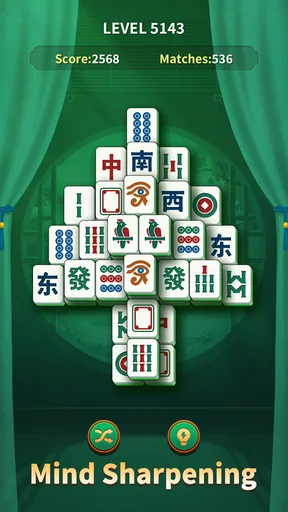
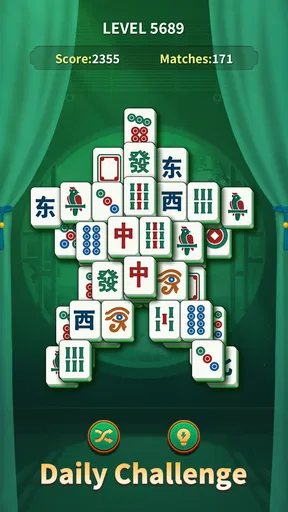
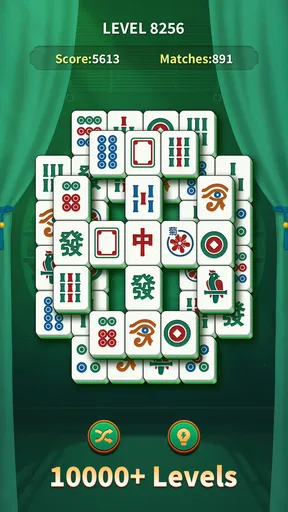
 Analysis by AppCompare
When I want a quiet game that still asks me to pay attention, I look for something I can pick up without planning a long session. Jade Mahjong is a free board game from Wonderful Studio, and its simple premise makes it easy to approach: match tiles, take your time, and play without needing an internet connection. I can see why it appeals to people who want a gentle puzzle rather than a competitive game with a clock pushing them along.
What you are paying for—and what is known
The game is free to download, and its content rating is Everyone. Its current version is 1.1.9, and it requires Android 6.0 or later. The release date is September 25, 2025. It has an average rating of 4.9 from around 81,000 ratings, with 887 written reviews, and has been installed over a million times. Those figures suggest a broad audience, but they do not tell me whether every player will enjoy the same pace or presentation.
On the spending question, the purchase information I can verify is limited to the game being free. I would not treat that as proof that every possible in-game transaction is absent, nor would I assume that paid upgrades exist. If you are deciding whether it fits a strict no-spending rule, check the purchase details shown on your device’s app store before installing. That is a more useful habit than inferring a payment model from the download price alone.
A relaxed pace, with room to think
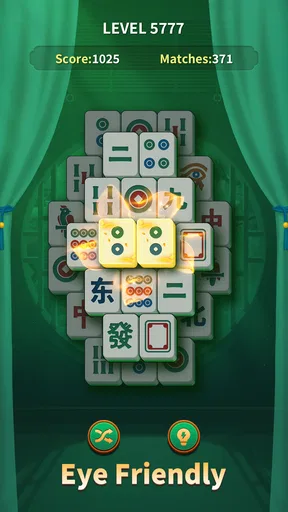
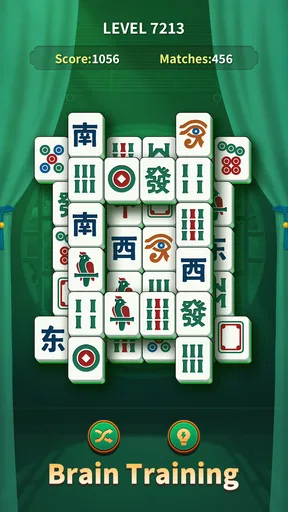
Mahjong solitaire works best when I treat each board like a small planning exercise instead of tapping quickly. Before removing a pair, I scan for tiles that are covering others and consider whether a choice could leave a useful match inaccessible. That pause is particularly valuable in a game designed for relaxed play: there is no need to turn a calm puzzle into a race against myself.
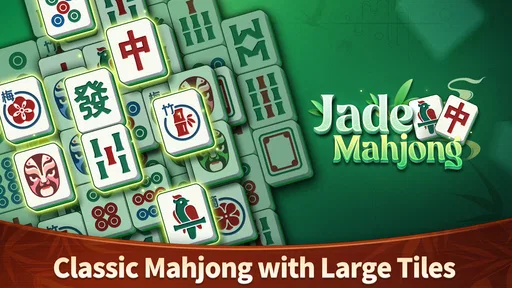
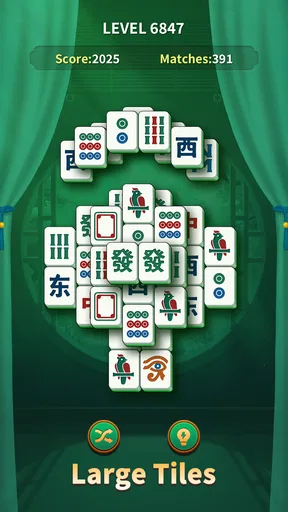
The store description highlights large tiles and a design intended to be comfortable for older players. That can matter beyond age: larger symbols are useful when I am playing one-handed, holding a phone farther away, or taking a quick break in a bright room. Still, tile size is only one part of readability. If you have difficulty distinguishing similar symbols, try a board in your usual lighting and at your normal text or display size before settling into a long session.
Using hints without giving up the puzzle
The published article describes helpful hints, which can make a stuck board less frustrating. I would use one as a nudge, not as an automatic first move: look over the remaining exposed pairs, then ask whether removing one will reveal more choices or close off a path. This small check can make a hint feel like a lesson in reading the board rather than simply a way to clear it.
One practical trade-off is that assistance can change the character of a puzzle. If I use hints whenever I hesitate, I may finish more boards but get less practice spotting the consequences of a move. For a relaxed session, that may be perfectly fine; for someone who wants to sharpen their planning, waiting a little before asking for help is more rewarding. I would also avoid assuming that a hint guarantees a particular outcome or that every layout has one obvious best sequence.
Worth Reading Before You Choose

EA SPORTS FC Mobile 26 Is a Bigger Football Game, but It Takes Time

Flipboard Shows What News Apps Must Do Beyond the Feed

Switching to Android Auto Means Rethinking Your Driving Routine

Google Calendar Makes a Crowded Week Easier to Manage

Ludo King Makes the Most of the Minutes Between Plans

Baby Panda World Brings Quick Play to Modern Phones, but Its Game Library Feels Busy
Offline play and everyday routines
Offline play is useful for more than travel. I can imagine opening the game while waiting for a delayed appointment, sitting somewhere with unreliable reception, or taking a short break away from messages. A realistic routine might be to play one board during a lunch break, stop when the break ends, and return later when I have another quiet moment. That makes it a better fit for fragmented free time than a game built around long uninterrupted sessions.
Because offline play is part of the game’s appeal, I would test it before relying on it for a trip: launch the game while connected, then try opening it again with the connection off. That simple check helps distinguish a genuinely convenient travel companion from an app that needs an initial connection for some part of setup. The ability to play offline also does not mean progress is backed up or synchronized; if keeping a record matters to you, check how the game behaves on your own device before changing phones or reinstalling it.
How it differs from other mobile Mahjong choices
Compared with Mahjong apps that emphasize daily challenges, leaderboards, timed rounds, or social competition, this one is easier to consider as a personal wind-down activity. The offline option and larger tiles point toward convenience and accessibility rather than a constant stream of online engagement. That is a meaningful distinction if you want a puzzle you can play at your own pace, but it may feel sparse if you are looking for opponents, public rankings, or a strong sense of progression.
It is also worth separating Mahjong solitaire from traditional four-player Mahjong. Matching pairs on a tile layout is a solitary pattern-recognition puzzle; it is not a substitute for learning the rules, strategy, and table interaction of the multiplayer game. If your goal is to play with family or understand the traditional game, choose an app built specifically for that. If you simply want to uncover and match tiles on your own, Jade Mahjong is the more relevant kind of experience.
Who is likely to enjoy it—and who may not
I would recommend trying it if you like quiet puzzles, prefer a forgiving pace, or want something that can fill a few spare minutes without an internet connection. The large-tile approach may also suit players who find dense mobile interfaces tiring. Since it is free to download and rated for Everyone, it is approachable for a wide range of users, though a content rating should not be mistaken for a promise that every visual or interaction will suit every person.
I would look elsewhere if I wanted a deep campaign, a competitive ladder, multiplayer tables, or a clearly documented progression system. Those are different priorities, and a low-pressure tile-matching game is not automatically the best fit just because Mahjong is in the name. Likewise, if I need detailed control over accessibility settings or a particular way to customize appearance, I would check the installed game before relying on those options; the information about large tiles alone cannot answer every accessibility question.
Fairness, pressure, and the limits of what I can judge
There is no competitive fairness question in the same sense as a head-to-head game if I am playing by myself. I do not have an opponent whose skill or connection could affect the outcome, and offline play reduces the need to stay connected just to enjoy a session. Still, I would not claim that every board is equally difficult or that the game uses a particular shuffle or solvability system without evidence. My practical advice is to judge it by whether the puzzles feel enjoyable and understandable during your own play.
The same caution applies to spending and pressure. A free download is a useful starting point, but it does not by itself establish whether optional purchases, ads, or other prompts appear during play. Those details are not established here, so I would not guess. If you are especially sensitive to interruptions or accidental purchases, review the store’s purchase information and your device’s payment controls before handing the phone to a child or settling in for a long session.
Immersive Gameplay
From the moment I launched Jade Mahjong, I was struck by its vibrant and inviting interface. The developers have truly nailed the aesthetic, with jade-themed tiles that are as pleasing to the eye as they are fun to play with. The game offers a range of tile sets and backgrounds, allowing you to customize your experience. I found this feature particularly delightful, as it kept things fresh each time I played.
Challenging Yet Relaxing
One of the standout features of this game is its ability to balance challenge with relaxation. As you navigate through the levels, the puzzles get progressively more complex, keeping your brain engaged. But don’t worry, there’s no pressure! You can take your time with each puzzle, making it a perfect game to unwind with.
Pro Tip: If you ever find yourself stuck, the game offers helpful hints. I’ve used them on more than one occasion, and they’ve saved me from banging my head against the wall!
Perfect for On-the-Go
Another thing I absolutely love about Jade Mahjong is how well it fits into a busy lifestyle. Whether you’re commuting, waiting for an appointment, or just need a quick mental break, the game’s short, engaging puzzles are perfect. Plus, it doesn’t require a constant internet connection, so you can play anytime, anywhere.
And let's not forget about the smooth performance. I’ve played it on both Android and iOS, and it runs without a hitch. No lagging or crashing, which is a huge plus for me.
Why You Should Try It
In a sea of mobile games, Jade Mahjong stands out for its beautiful design, challenging puzzles, and the overall calming experience it provides. It’s like a mini-vacation for your mind. Whether you’re a seasoned Mahjong player or a complete newbie, this game offers something for everyone.
So, next time you're browsing for a new app to download, give Jade Mahjong a shot. It might just become your new favorite way to unwind.
Pros
- Beautiful
- intuitive interface.
- Variety of difficulty levels.
- Relaxing background music.
- Offline play available.
- Regular updates enhance features.
Cons
- Ads can be intrusive.
- No multiplayer mode.
- Limited custom tile sets.
- In-app purchases required for extra features.
- Occasional minor bugs.
FAQs for Jade Mahjong
What is Jade Mahjong and how does it differ from traditional Mahjong?
Jade Mahjong is a digital adaptation of the classic Mahjong game, available on both Android and iOS. Unlike traditional Mahjong, which is typically played with four players, Jade Mahjong offers a single-player experience. It features a variety of tile sets and layouts, allowing for customizable gameplay that can suit both beginners and seasoned players.
Are there any in-app purchases or ads in Jade Mahjong?
Yes, Jade Mahjong includes in-app purchases and ads. Players can choose to purchase additional tile sets, hints, and themes to enhance their gaming experience. While ads are present, they can be removed with a one-time purchase, providing an uninterrupted playing experience for users who prefer an ad-free environment.
Can I play Jade Mahjong offline?
Yes, Jade Mahjong can be played offline. This is particularly useful for users who want to enjoy the game without needing an internet connection. However, some features, like leaderboard updates and certain in-app purchases, require an internet connection to function properly.
Is Jade Mahjong suitable for beginners?
Absolutely, Jade Mahjong is designed to be accessible for players of all skill levels. It includes a helpful tutorial and hints system to guide beginners through the basics of the game. Additionally, the app offers varying levels of difficulty, allowing new players to gradually improve their skills without feeling overwhelmed.
What are the main features of Jade Mahjong?
Jade Mahjong boasts a range of features that enhance the classic game experience. These include multiple tile sets and backgrounds, a relaxing soundtrack, and a daily challenge mode. Furthermore, the app supports achievements and leaderboards, enabling players to track their progress and compete with friends.


